Tap, Pay, Done: Inside the Invisible Handshake
Today we dive into how contactless payments actually work—NFC, tokenization, and safety—following a single tap from card or phone to bank approval. You will see antennas couple, tokens replace card numbers, cryptograms prove legitimacy, and risk engines decide within seconds. Expect clear explanations, real anecdotes, and practical tips for travelers, developers, and everyday shoppers. Read, share your questions, and help others tap with confidence wherever that familiar sound and light confirm success.
Proximity That Protects
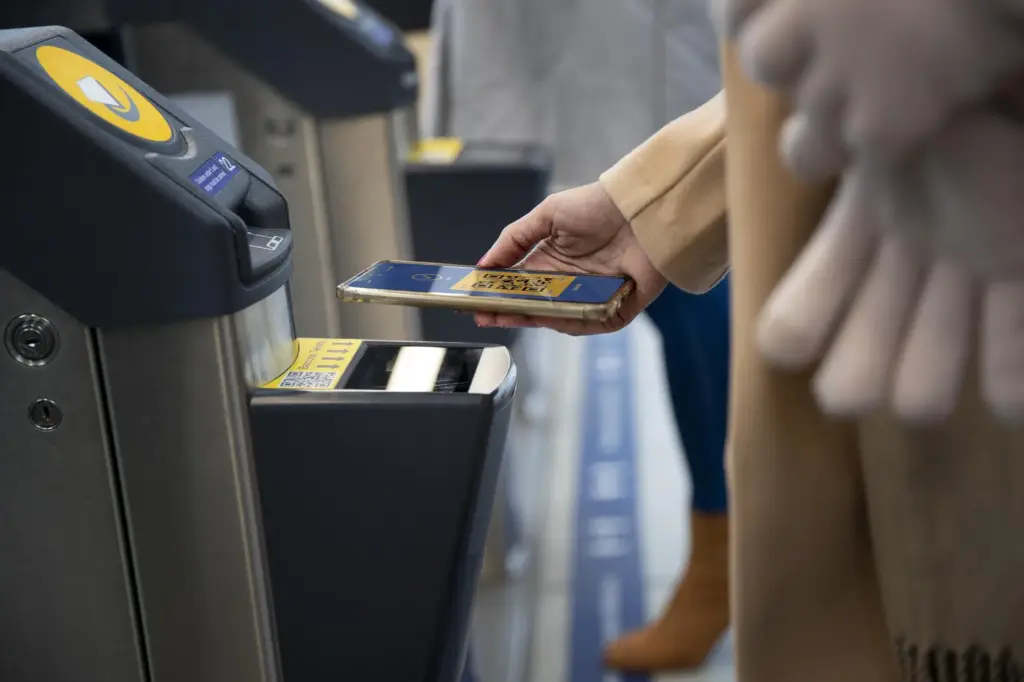
Because energy decays rapidly in the near field, a workable tap usually happens closer than four centimeters, often much nearer. The terminal must initiate and sustain the field, so rogue readers cannot silently drain cards at a distance. Wallet material, card stacking, and phone cases change coupling strength, explaining why a slight reposition or slower approach frequently turns a puzzling failure into a satisfying confirmation tone.
Standards That Keep Things Interoperable
Your tap rides on globally adopted specifications: ISO/IEC 14443 defines the radio behavior, while NFC Forum profiles compatibility across devices, and EMV contactless kernels shape the exchange of payment data. These layers coordinate activation, anti-collision, application selection, and timing, allowing a card from one bank and a phone from another vendor to work reliably with terminals built years apart, across borders, brands, and varied acceptance environments.
From Primary Numbers To Tokens That Travel
Instead of sharing your actual card number during a tap, modern wallets and networks substitute a device-specific token that maps behind the scenes to your account. The secure translation lives with a token service provider, enforcing controls on device, merchant, geography, and usage. By sending limited-use identifiers and proofs, the system reduces exposure, simplifies credential changes, and lets you suspend one device without interrupting every place your physical card is used.
Provisioning The Digital Card
When you add a card to a phone or watch, the wallet requests verification from your bank through the payment network, sometimes confirming with a text, app push, or call. A token and cryptographic keys are then assigned, stored in a secure element or trusted execution area. This process links your device, issuer, and network, enabling local authentication and authorization without exposing the real number during future taps.
Why Tokens Beat Plain PANs
Tokens can be limited to a single device, merchant category, or region, and revoked independently from your physical plastic. If a database breach exposes them, detokenization controls stop bad actors from turning them into spendable credentials. Meanwhile, recurring merchants store safer identifiers, reducing PCI burdens and preventing disruption when your bank upgrades a card, because updated mappings keep legitimate subscriptions and cards-on-file humming quietly in the background.
Lifecycle Management In The Background
Over time, tokens refresh, migrate, or retire as cards are reissued or devices replaced. Domain controls tighten or relax when you travel, switch banks, or add wearables. Issuers and networks coordinate these updates invisibly, so a new plastic or a replacement phone keeps tapping smoothly, while suspicious changes trigger extra checks, push notifications, or deactivation until you confirm activity and restore your usual, convenient rhythm.

Dynamic Cryptograms And Unpredictable Numbers
Each transaction gets a fresh cryptogram built from session keys, counters, and values unique to that moment. The terminal supplies an unpredictable number; the card or device calculates a response that proves authenticity without disclosing secrets. Replay attempts fail because parameters and counters will not match. Later, your bank recomputes the expected value and compares results, approving only when mathematics, timing, and context align convincingly with normal behavior.

The Merchant, Acquirer, Network, Issuer Relay
The path from checkout to approval usually follows ISO 8583 messages, where the merchant’s system passes the authorization to an acquirer, through a card network, and onward to your bank. Along this route, risk tools may throttle fraud, tokenize further, or request more checks. Most responses return in under three seconds, but stand-in processing and network outages exist, ensuring continuity while still honoring controls and cardholder protections.
Protecting You In The Real World
Security lives at multiple layers: device locks and biometrics, short radio range, dynamic cryptograms, network tokenization, fraud analytics, and clear liability rules. Many wallets require you to unlock or confirm for general purchases, while small card taps may skip PINs within limits. Lose a device and revoke tokens remotely; lose a card and the bank blocks charges. Defense in depth makes everyday tapping both fast and trustworthy.

Common Myths, Debunked With Evidence
Rumors spread faster than payments. Let’s examine frequent claims with engineering facts and lived experience from cashiers, commuters, and developers. Can someone charge you through clothing? Does airplane mode stop taps? Why do clean-looking transactions occasionally fail? We will untangle misconceptions, show legitimate edge cases, and share practical habits that boost success rates without paranoia. Please share your questions and stories so we can test and explain them together.
Can Someone Charge You Through Your Coat?
A legitimate transaction requires a powered terminal, an initiated session, and typically your clear intent at a checkout. The antenna must be very close, often almost touching, and many wallets demand biometric confirmation. Random passersby cannot debit your account invisibly on a subway platform. If you carry multiple cards, slight separation prevents accidental selection, and even then, merchant systems flag anomalies rather than silently processing implausible, contextless debits.
Does Turning Off Connectivity Stop Taps?
NFC transactions work without cellular or Wi-Fi because the critical cryptography runs locally and the terminal provides power. Your device may need periodic connectivity for provisioning, risk updates, or receipts, but the moment of tap proceeds offline. Airplane mode does not disable the wallet antenna by default; use wallet settings to pause payments if desired. That design keeps gates, buses, and stores moving even inside dead zones or elevators.
Designing Great Contactless Checkout Experiences
Thoughtful checkout design turns secure technology into delightful speed. Clear symbols, reachable readers, and consistent prompts reduce confusion and errors. Software should handle reversals, tips, partial approvals, and intermittent networks gracefully. Hardware needs updates and certification. Train staff to coach taps patiently, monitor performance metrics, and welcome diverse devices. Share back your learnings, questions, and pain points; we will feature reader insights and experiments that measurably improve everyday acceptance.